Flat Roof Metal Membrane Repair and Full Restoration
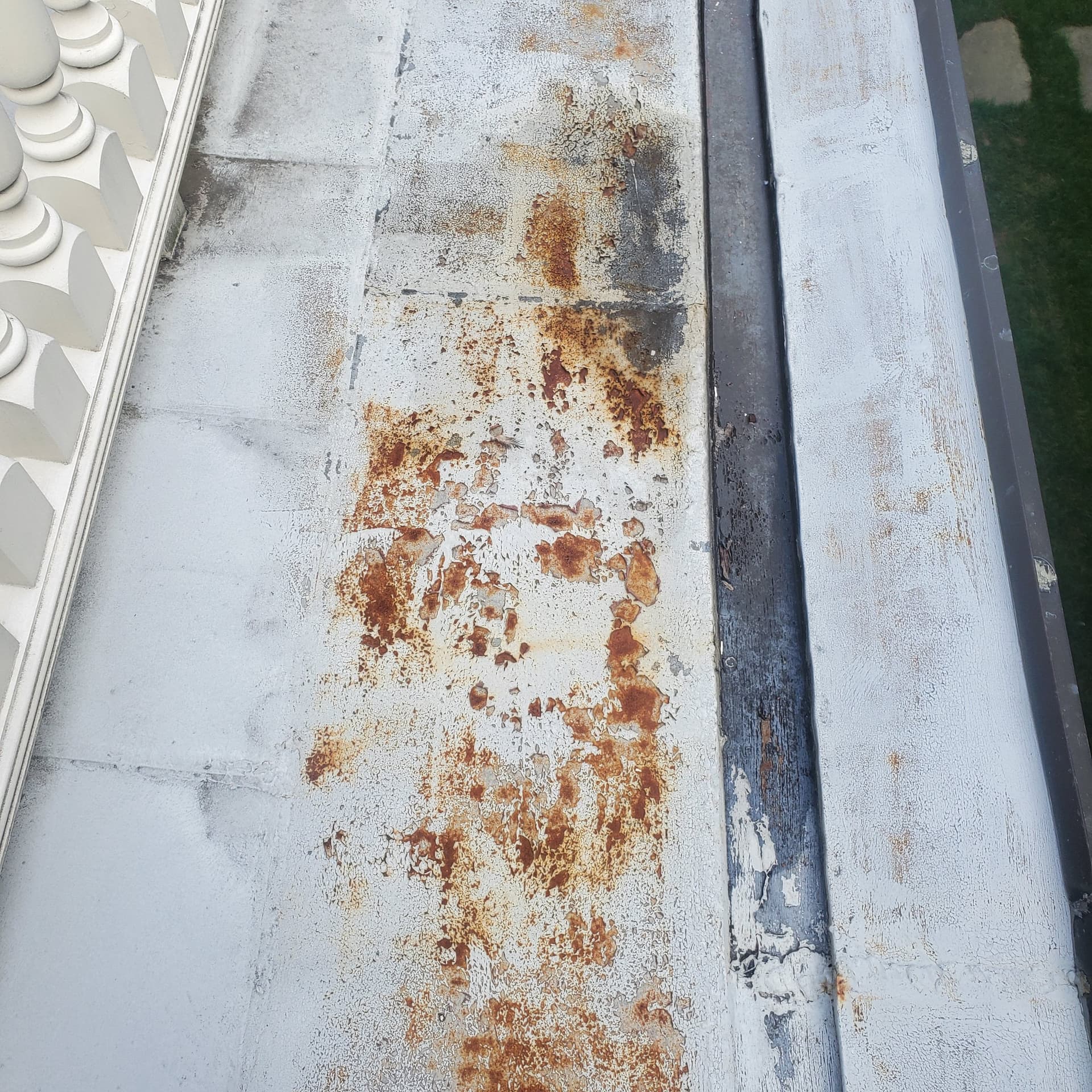
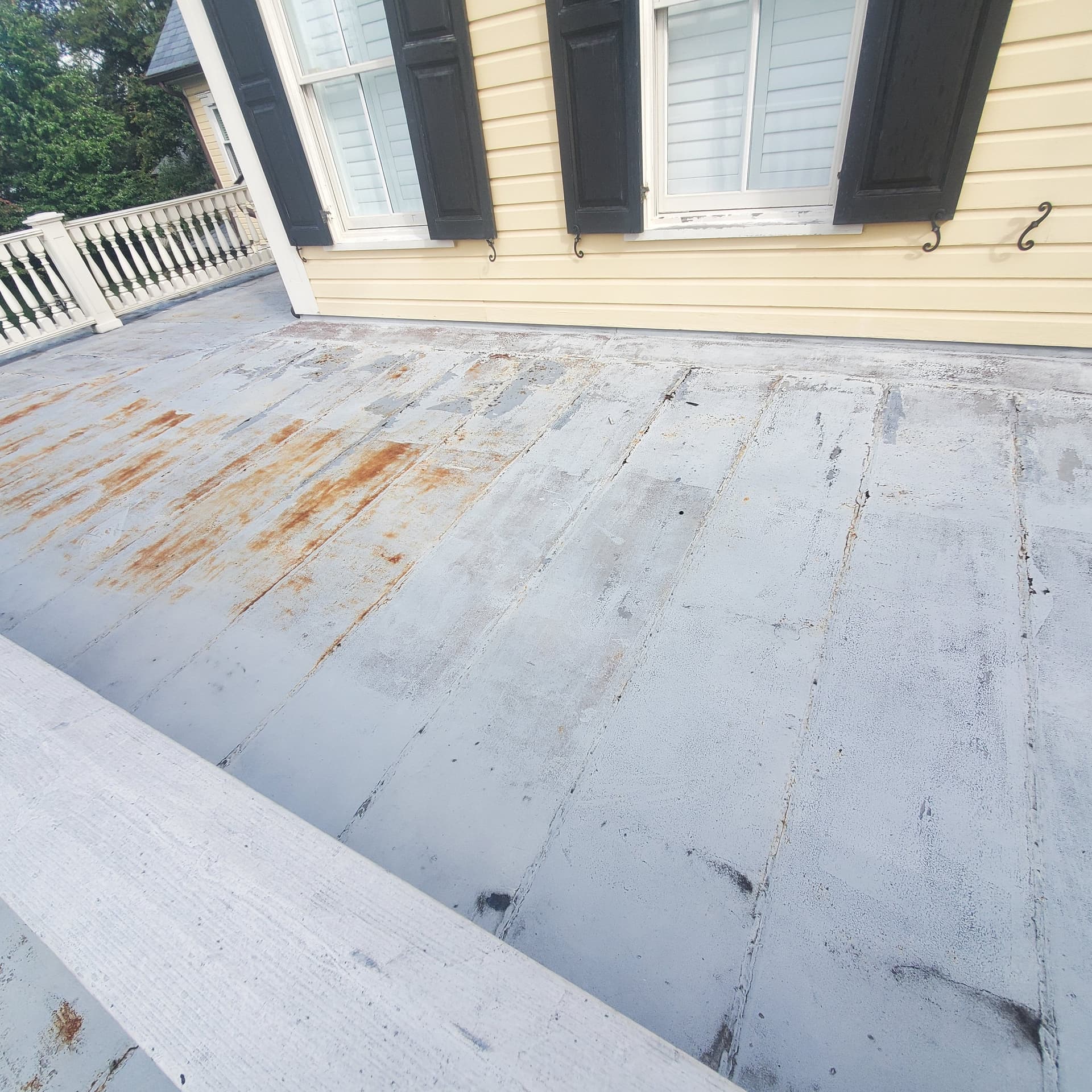
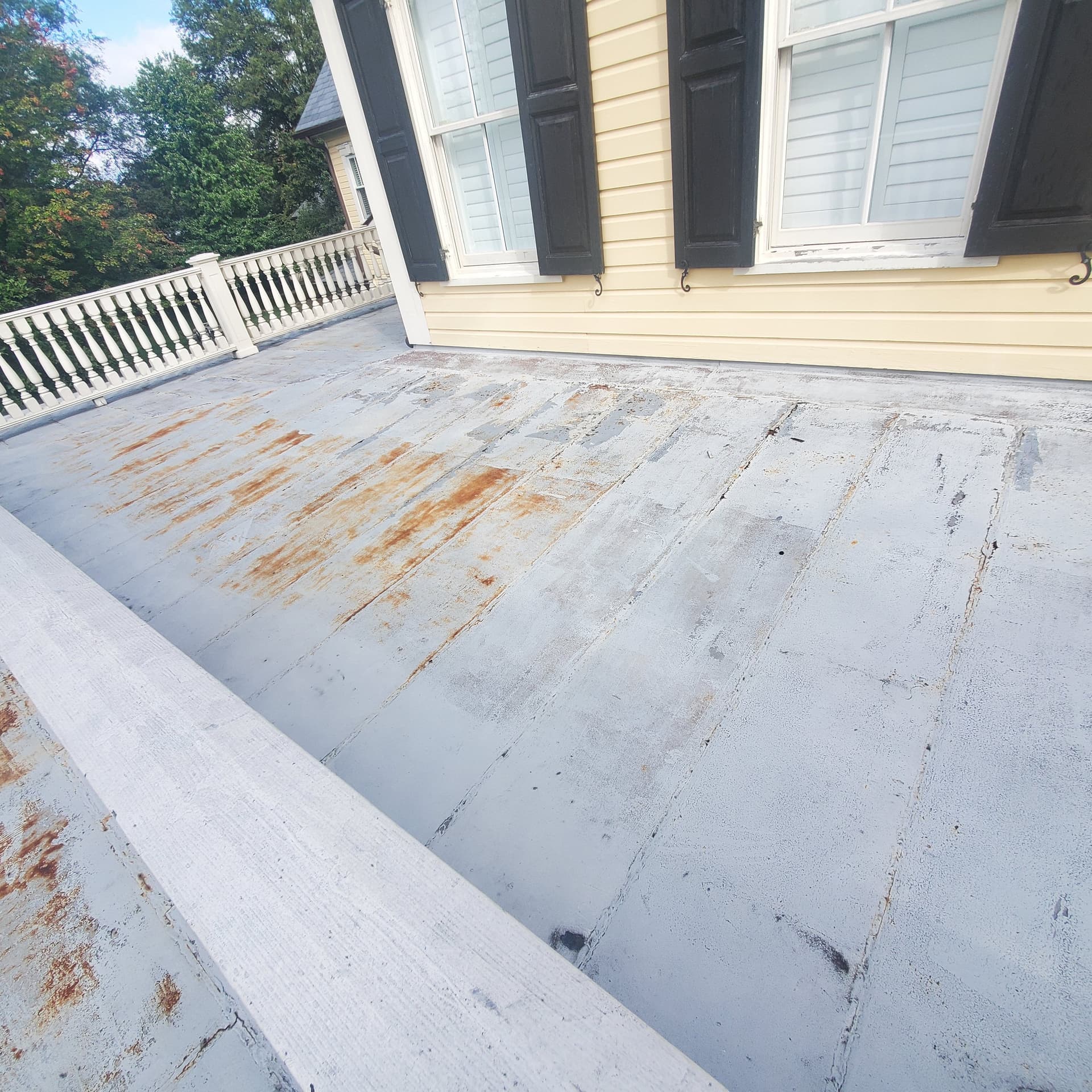
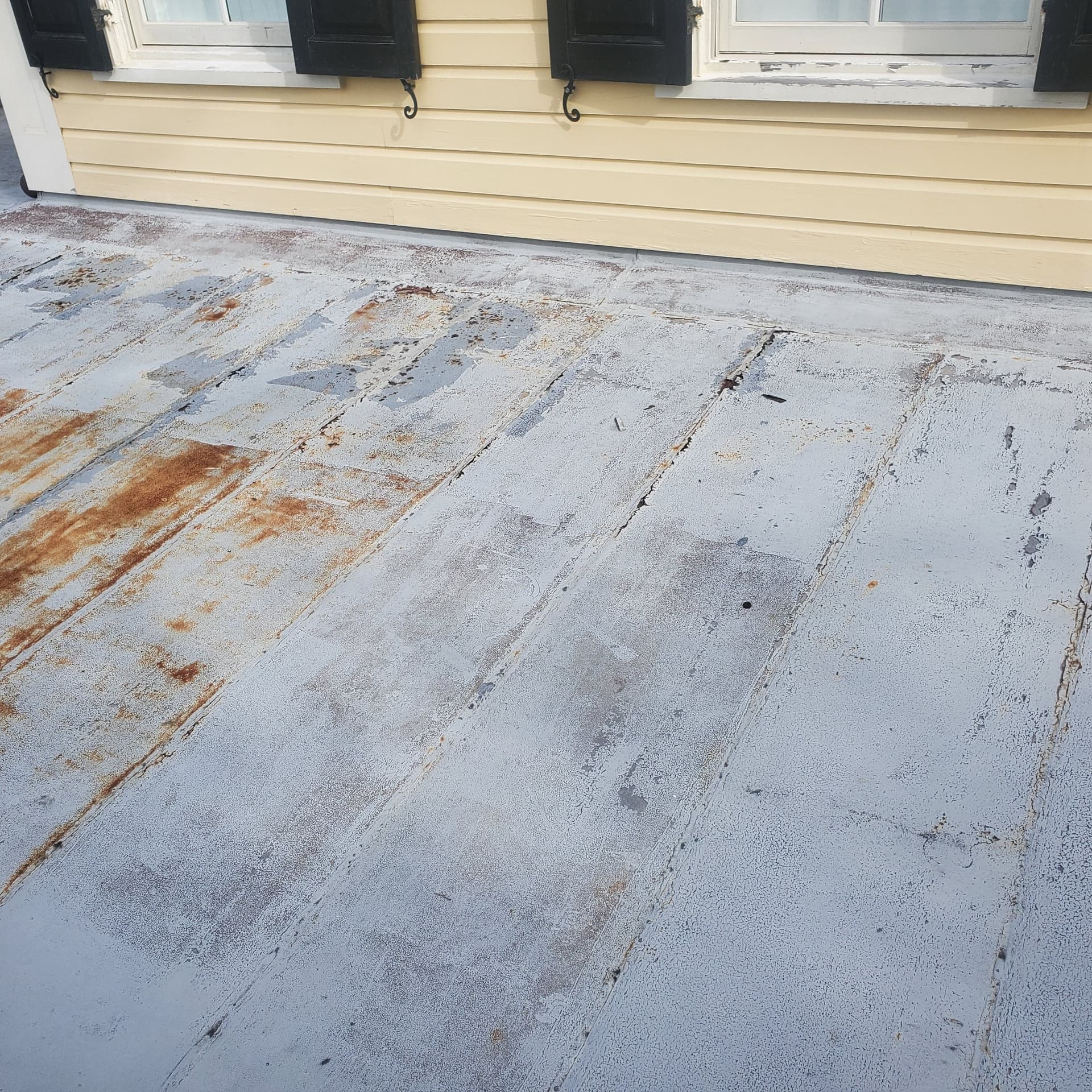
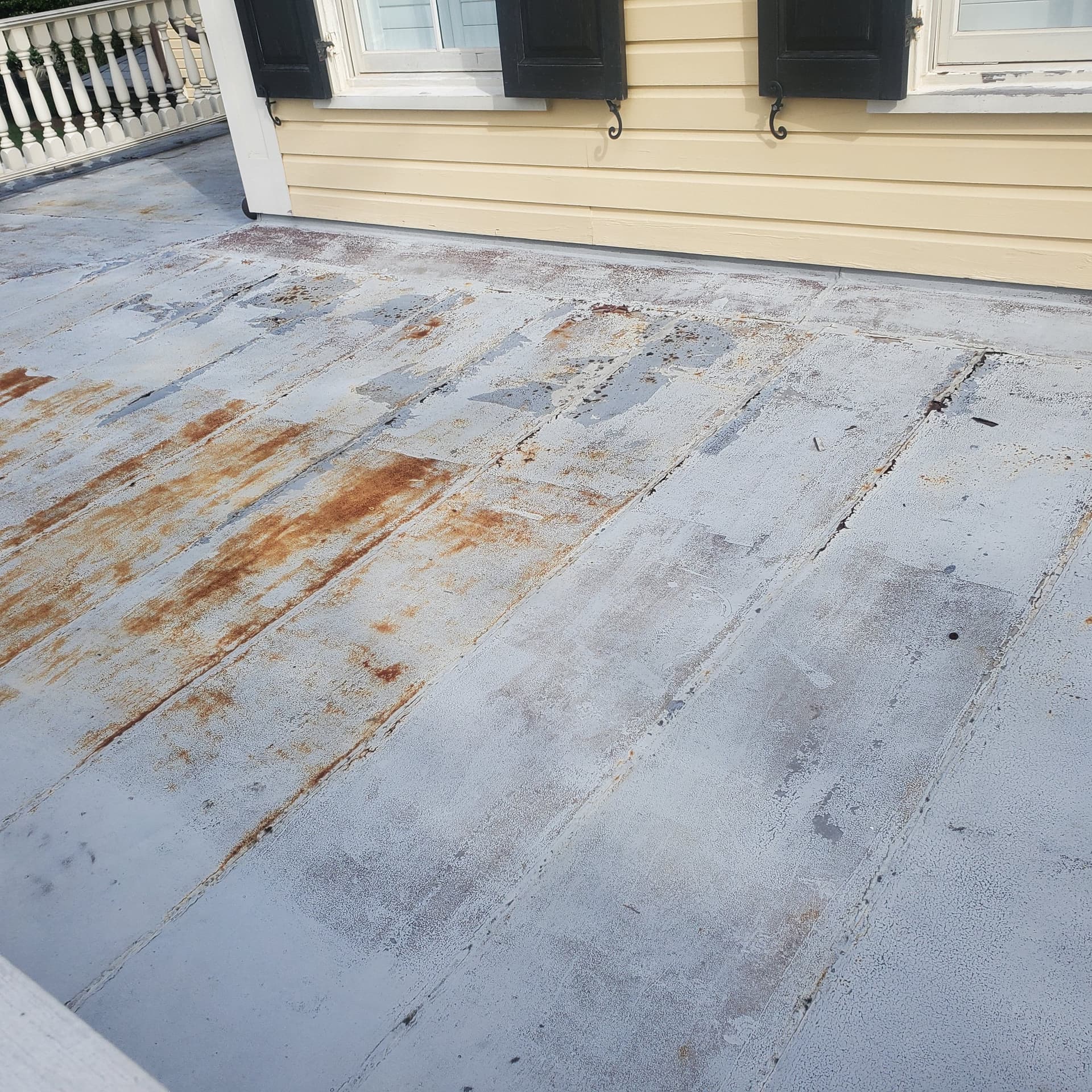
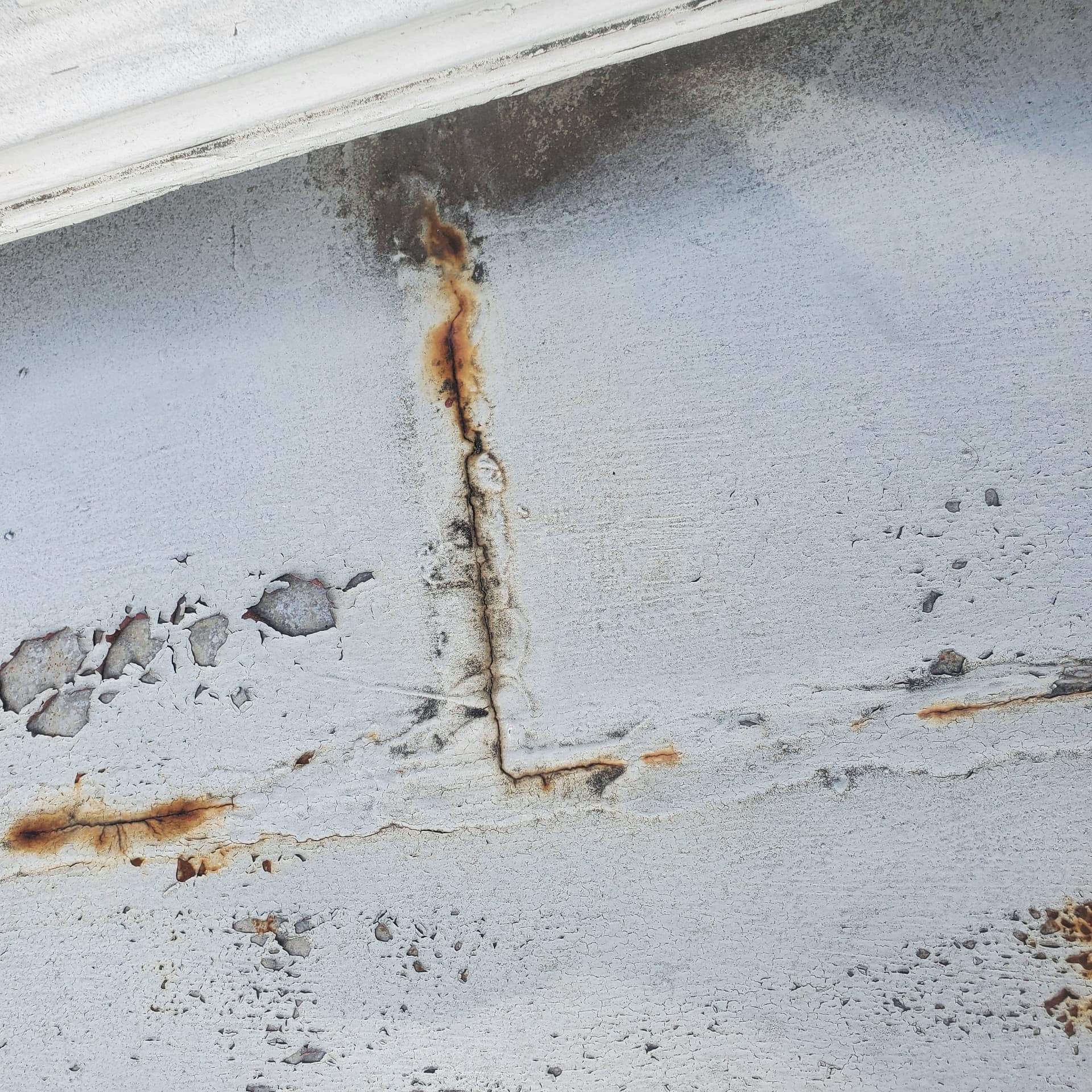
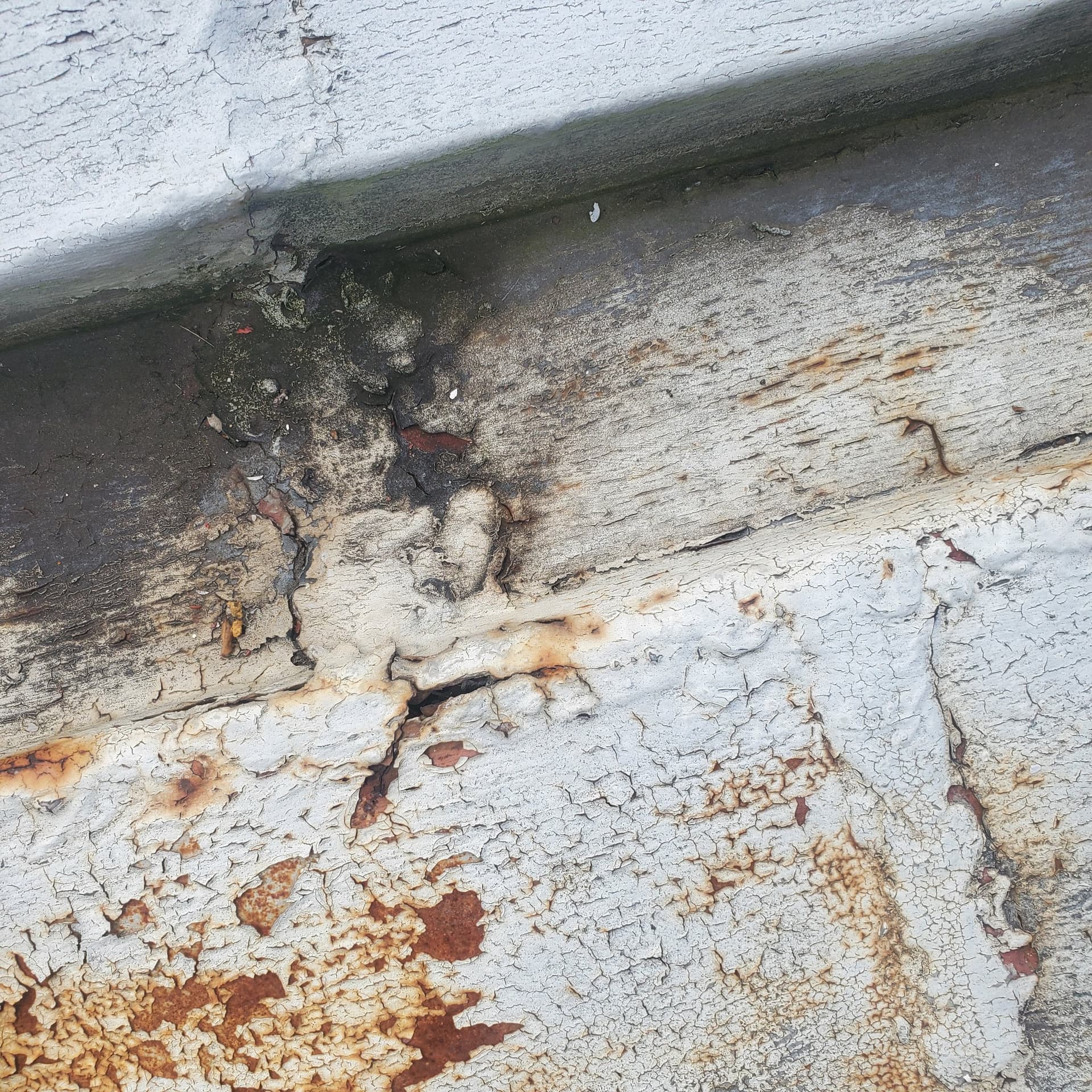
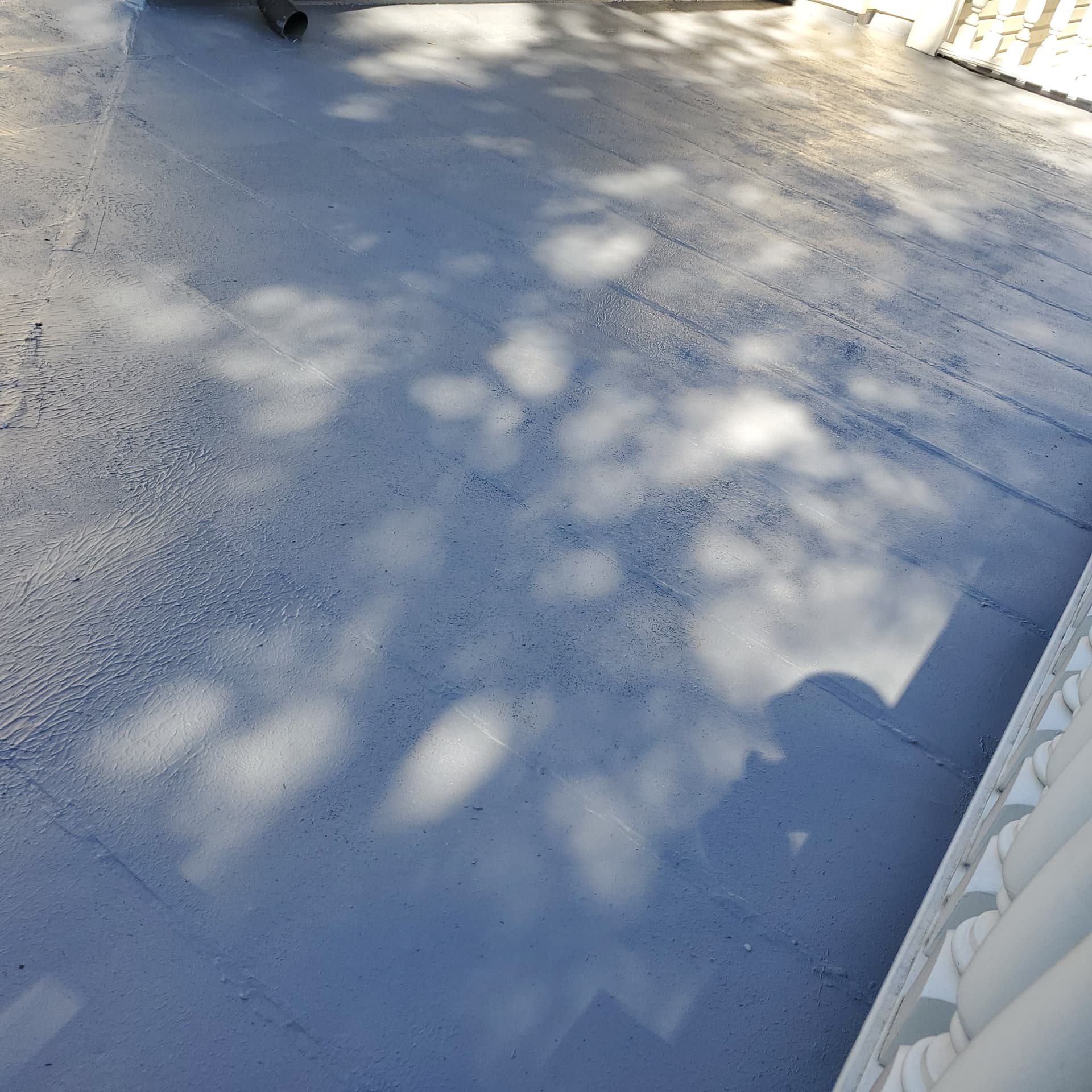
Rust on a flat metal roof doesn't just look bad - it's actively eating through your protection. Once the coating breaks down and rust sets in along the seams and panel edges, it's only a matter of time before water finds its way in. That's exactly what we were dealing with here. Heavy rust spread across the metal membrane panels, cracked and peeling coating at the seams, and moisture damage working its way into the edges where the metal meets the trim.
The tricky part with flat roof metal membranes is that the damage isn't always obvious from the ground. Up close, though, you could see exactly how far things had progressed - flaking coating pulling away in chunks, rust bleeding through the seams, and in a few spots, the metal surface itself starting to deteriorate at the joints. Left alone, that turns into a leak. And leaks on flat roofs tend to cause a lot of collateral damage before anyone notices them.
We did a thorough roof inspection first to map out every problem area before we touched anything. That step matters more than people realize. It tells us what needs to be sealed, what needs to be addressed at the substrate level, and whether we're dealing with surface rust or something deeper. In this case, we were able to move forward with a full roof repair and restoration rather than a full replacement - which is a significant cost savings for the homeowner.
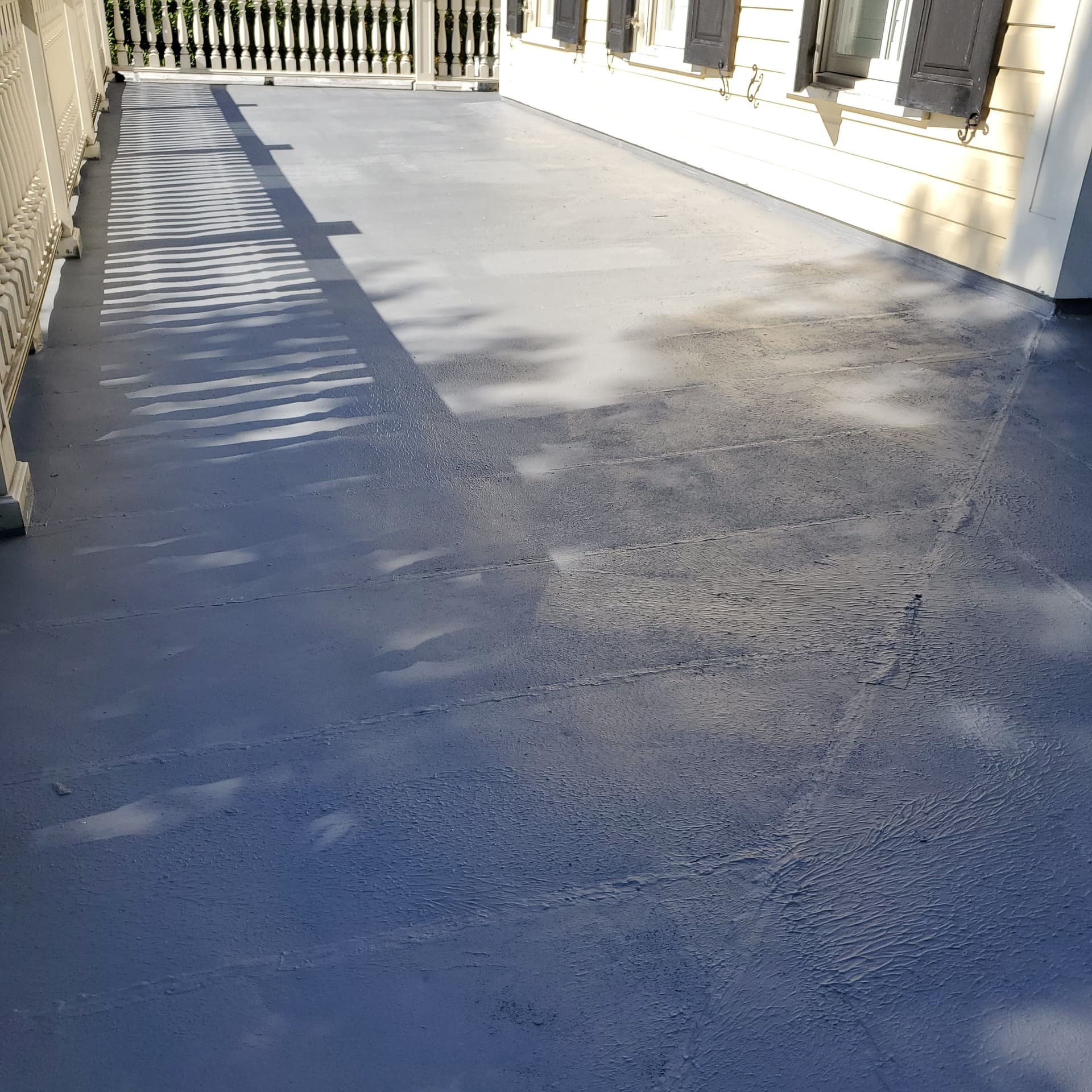
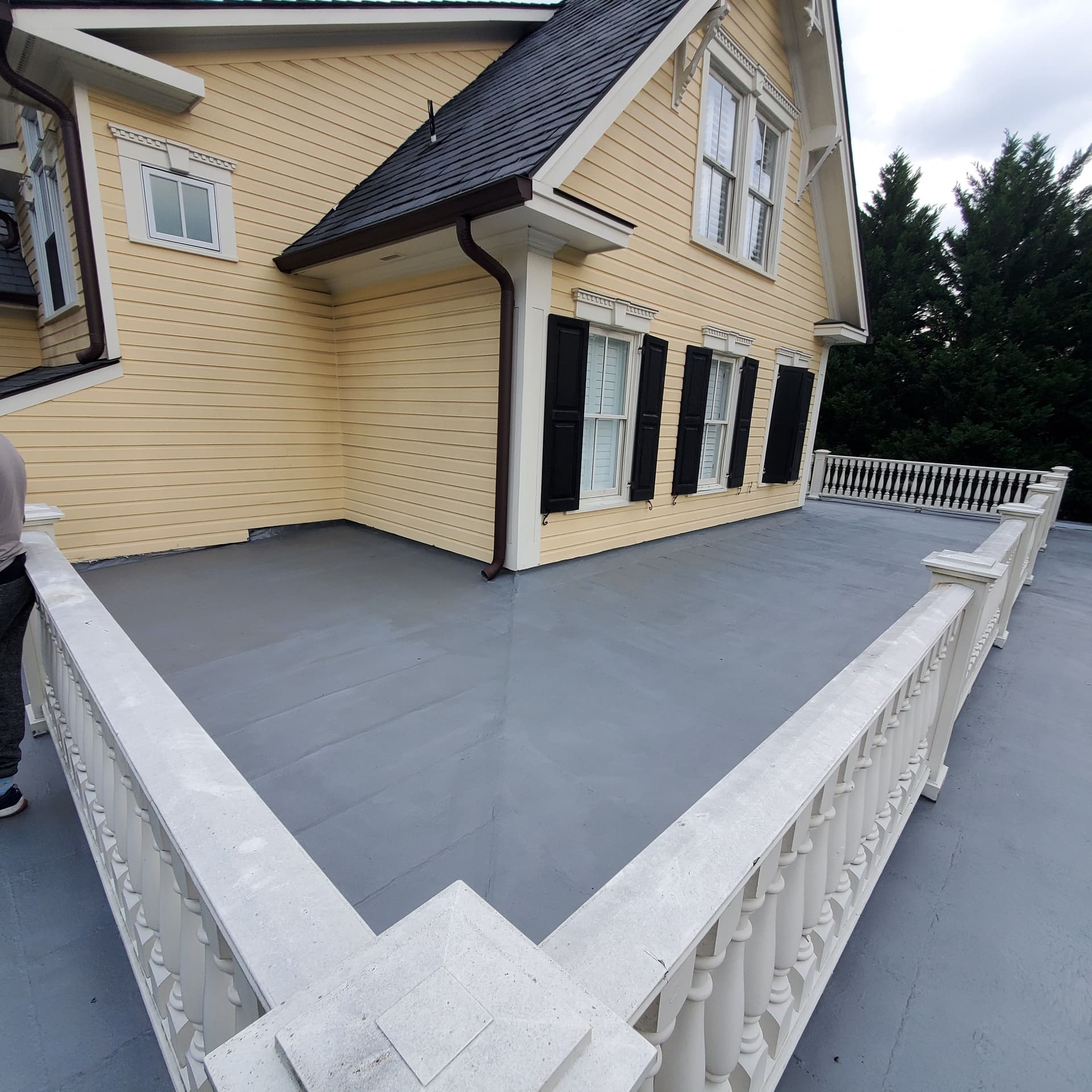
After all the prep work and repairs were done, we applied a fresh protective coating across the entire membrane surface. The finished result speaks for itself - a clean, uniform gray surface with no rust, no exposed seams, and no compromised edges. The whole roof has a solid barrier again, and the home is protected the way it should be.
If your flat roof is showing rust streaks, bubbling or peeling coating, or you just haven't had it looked at in a few years, a roof inspection is the right first move. Catching problems at this stage - before they become leaks - is always the better play.