Ridge Repair Done Right - Opened Up, Fixed, and Sealed to Last
Most roofs look fine from the street. Same shingles, same color, nothing jumping out at you. But the ridge - that peak running along the top of your roof - is one of the most critical spots on the entire structure. And when it fails, it usually fails quietly. No dramatic leaks at first. Just slow, hidden damage working its way into your decking, your attic, your home.
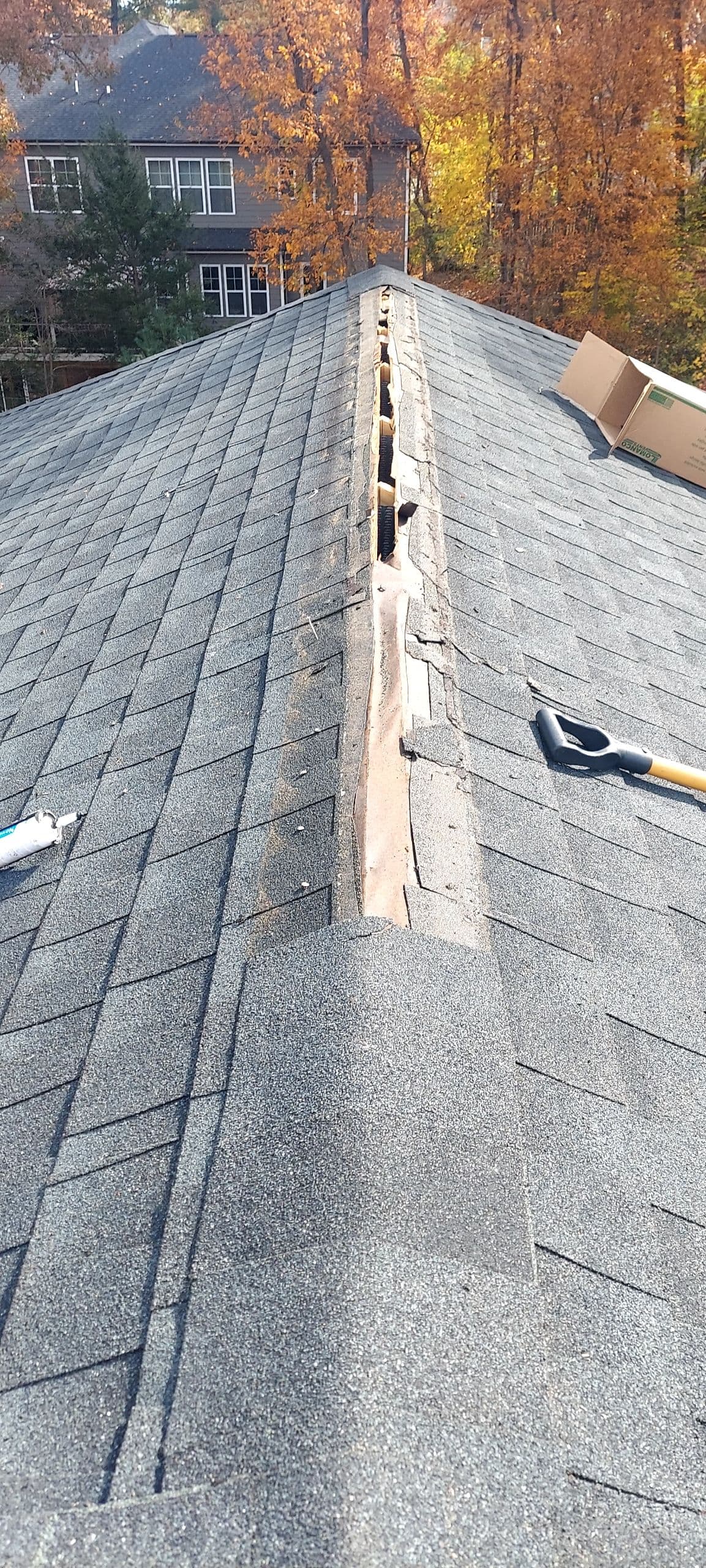
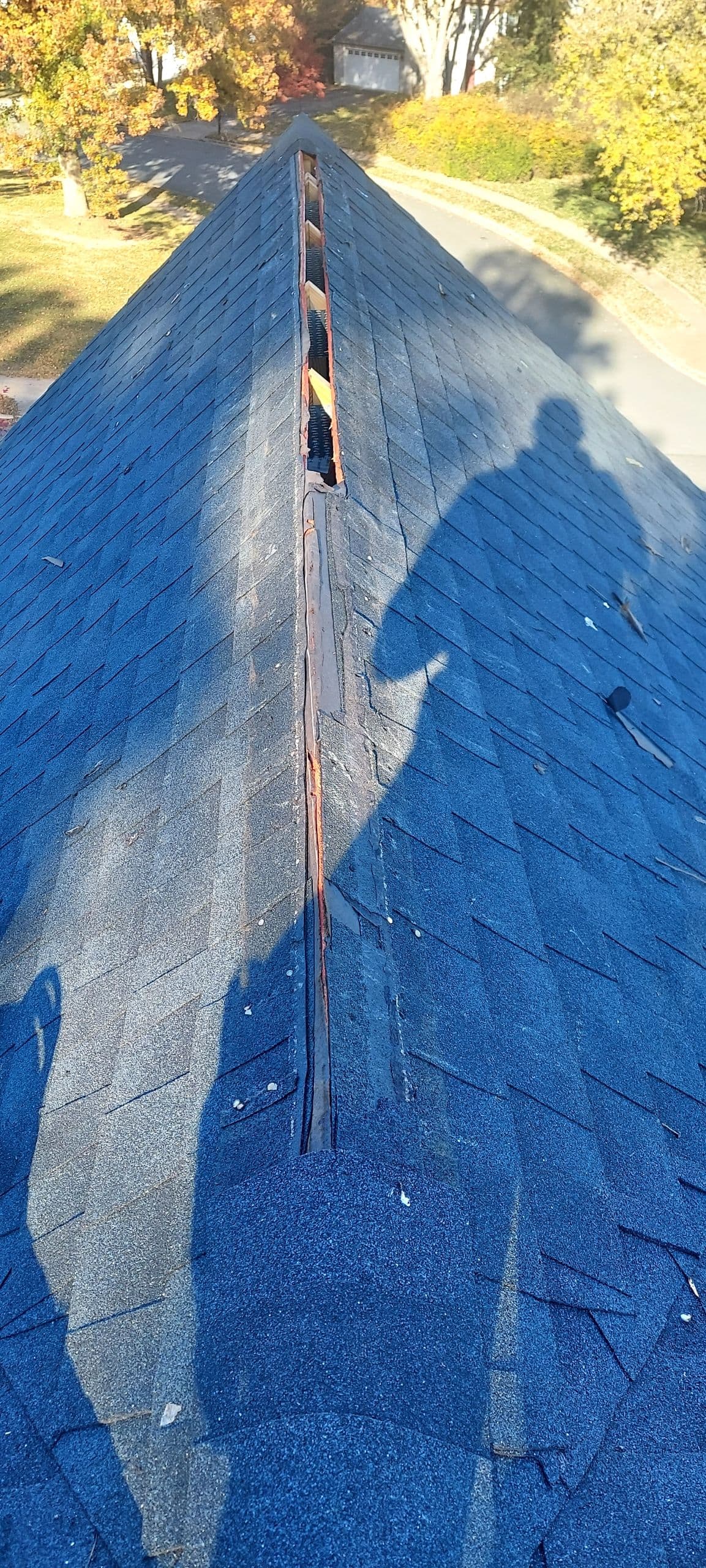
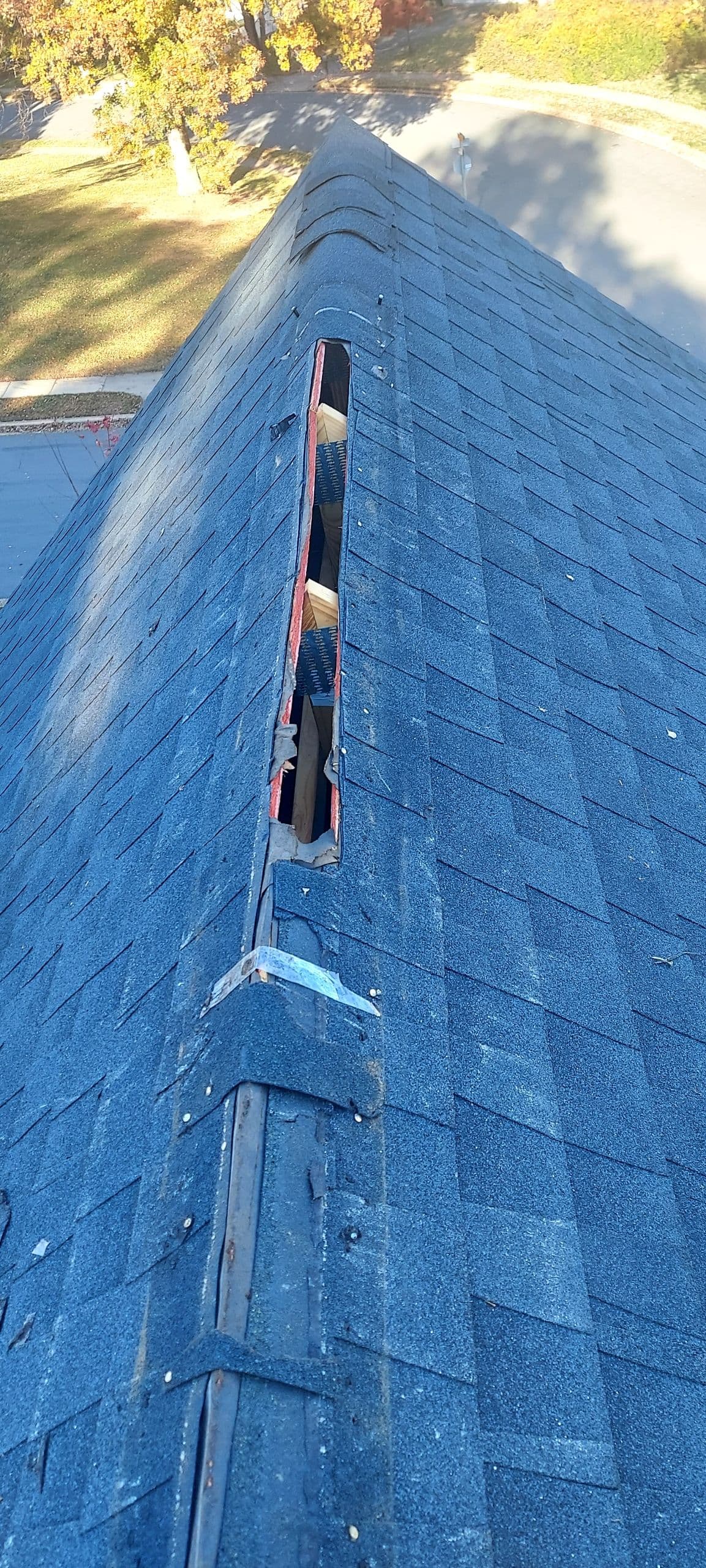
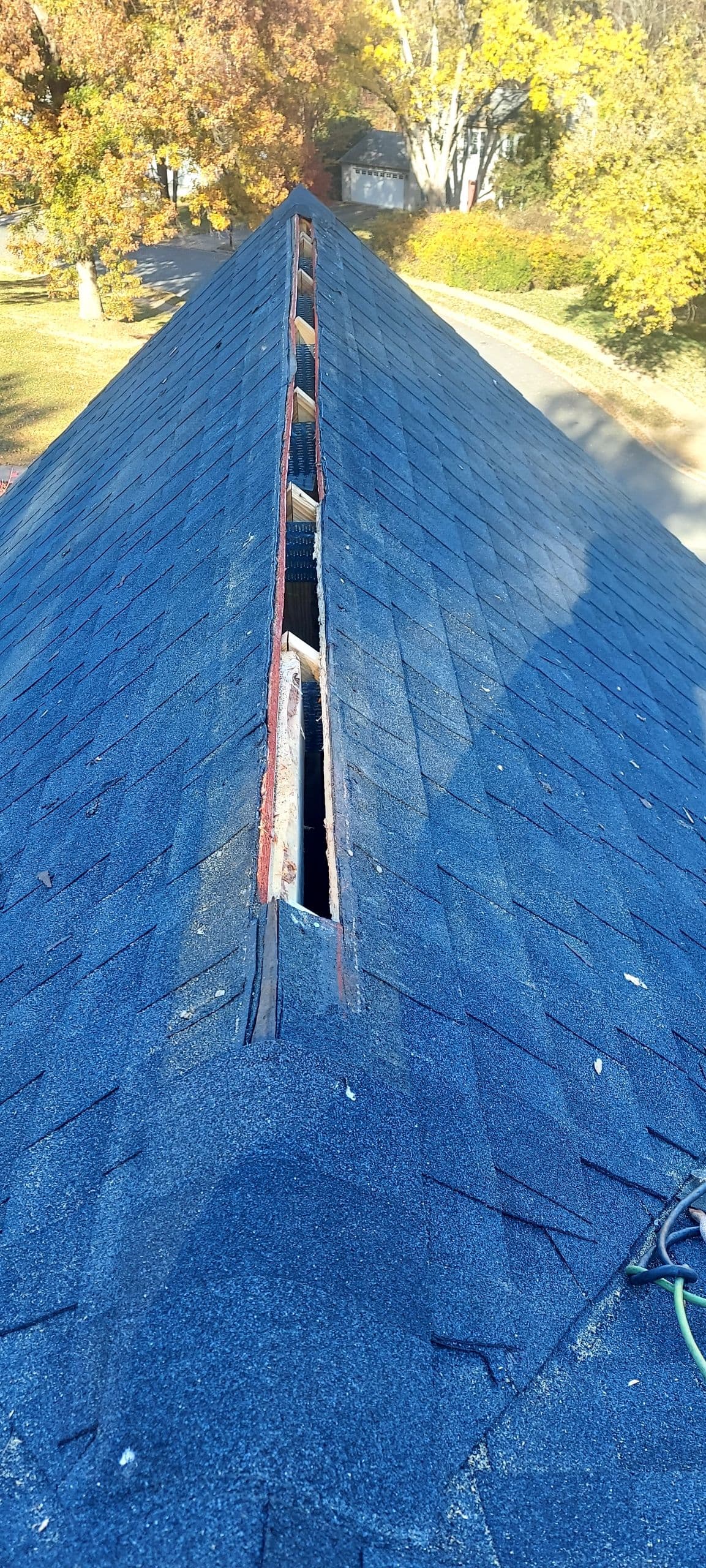
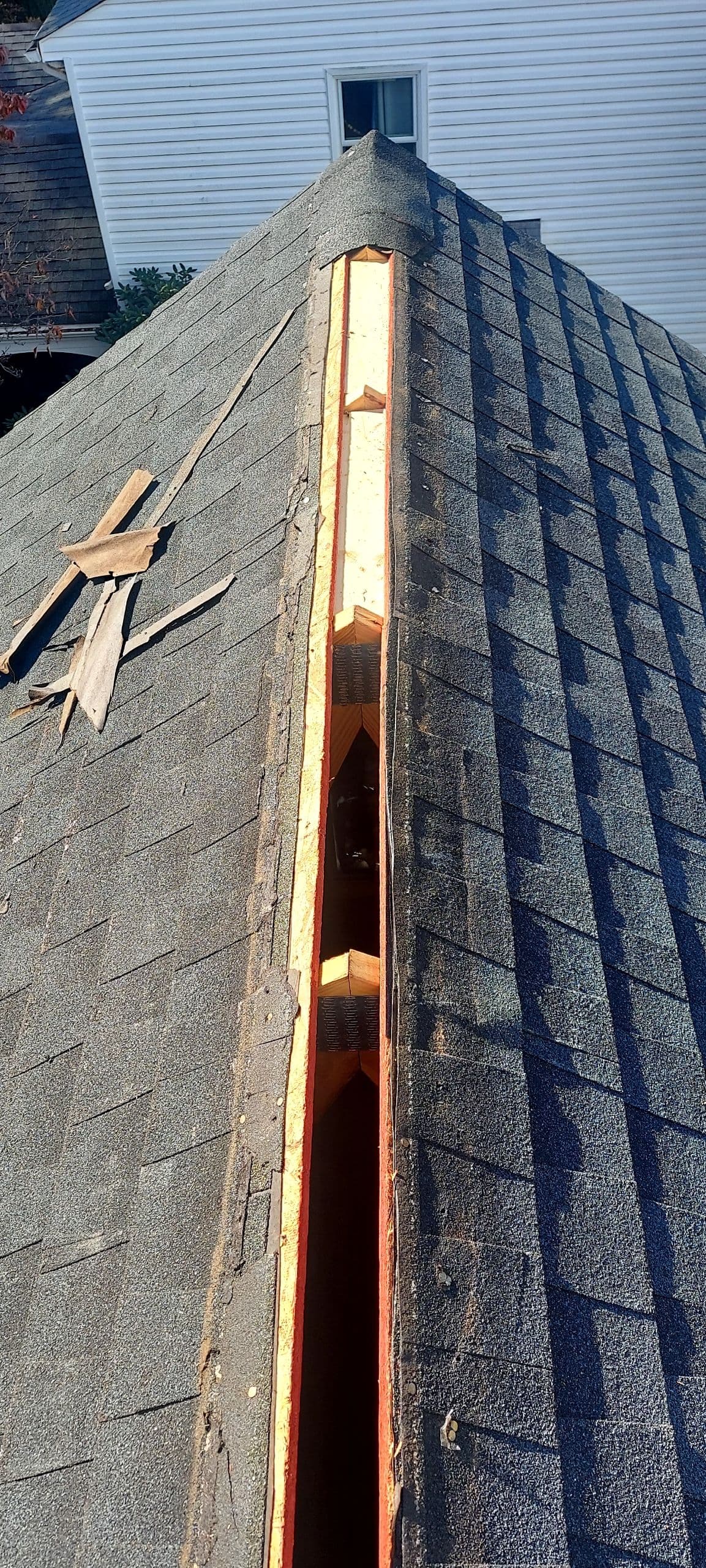
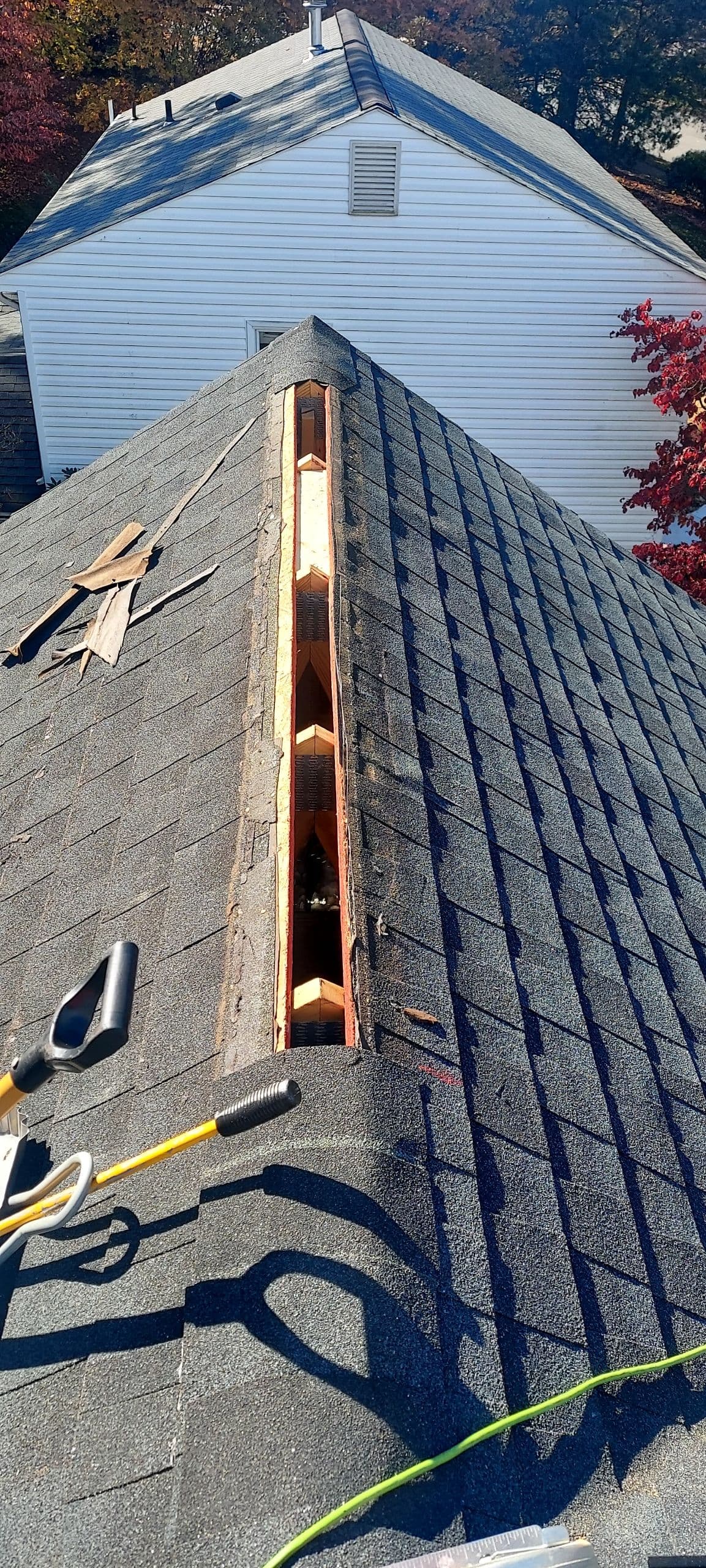
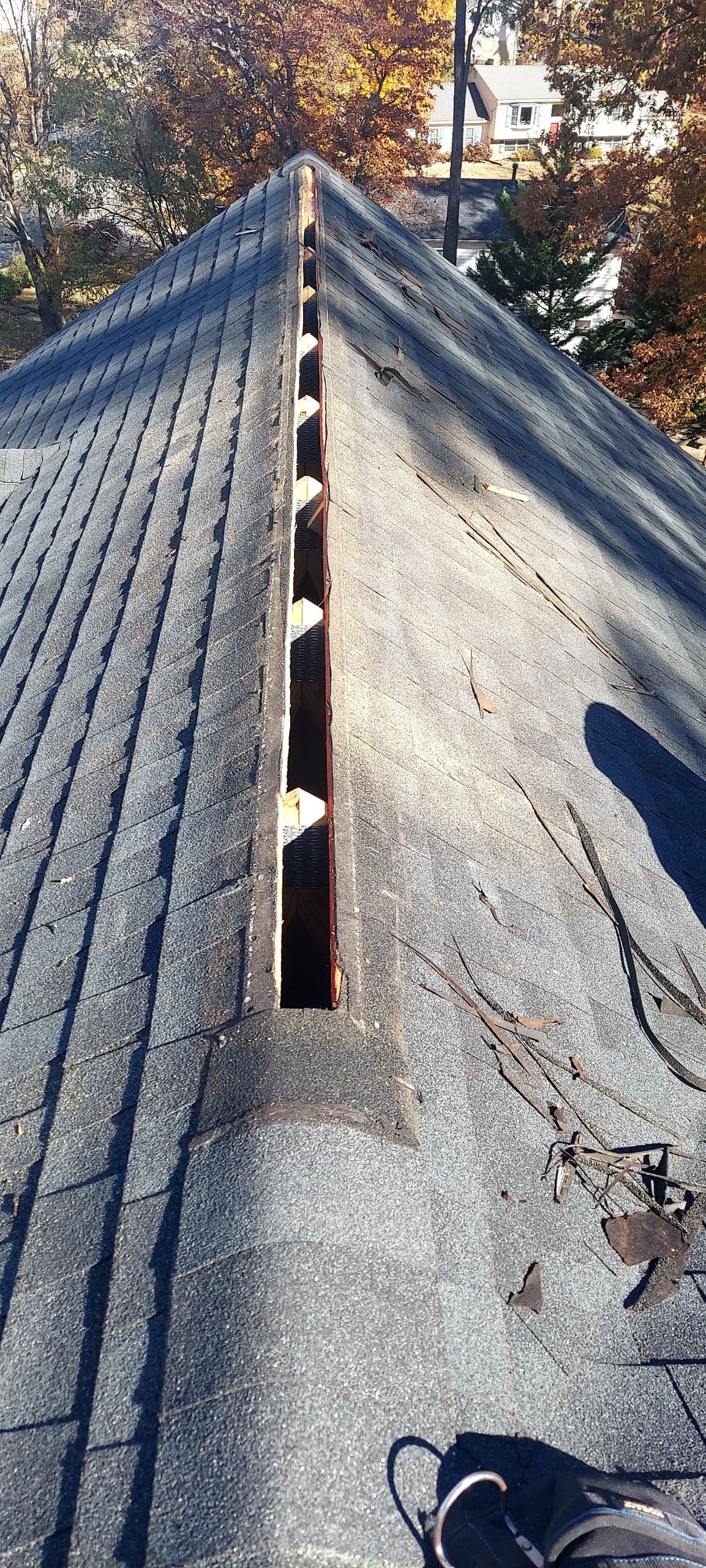
Here's what we were working with on this one. The ridge had completely given out. We're talking exposed decking, blown-out framing, gaps running the length of the peak that left the interior of the roof wide open. This is what builder-grade materials and a rushed install look like years down the road. It cuts corners on the ridge cap, skips proper sealing, and moves on. You end up paying for it later - way later, when the damage is already done.
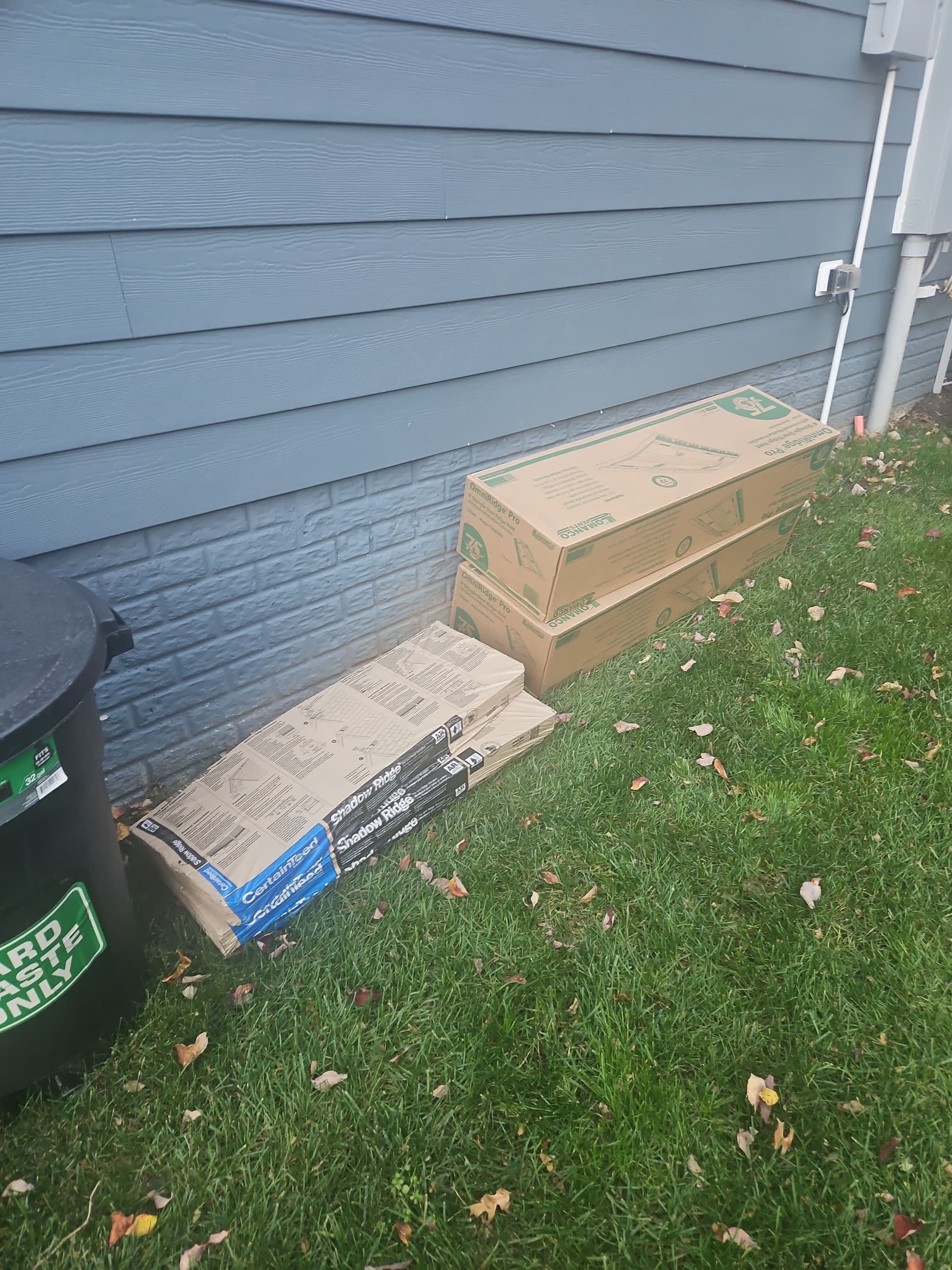
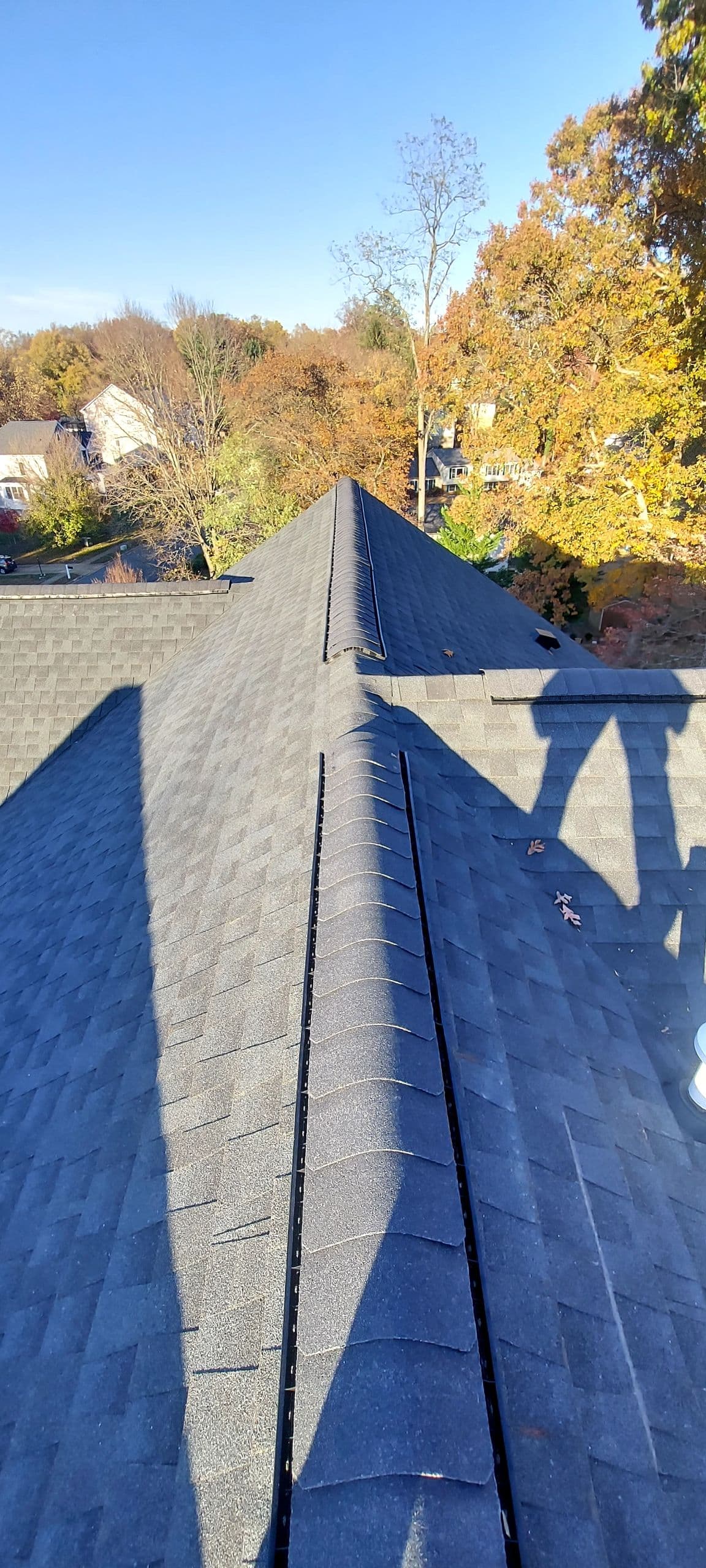
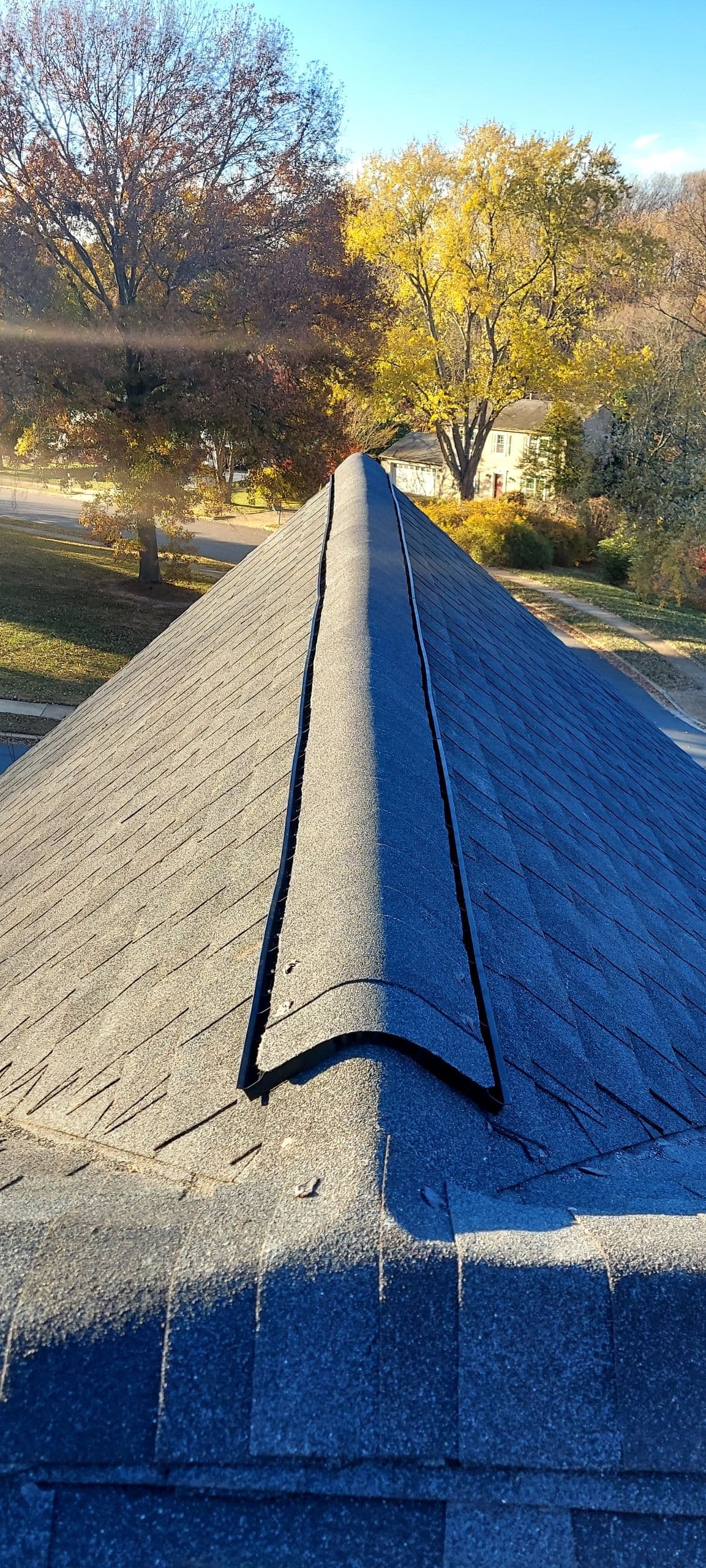
We opened the whole ridge up properly so we could see exactly what we were dealing with. Stripped it back, assessed the underlying structure, and repaired it the right way before anything went back on. No shortcuts, no slapping a new cap over a bad base. The CertainTeed Shadow Ridge cap shingles we used aren't just about looks - they're built to handle wind, hold their seal, and actually protect the most vulnerable part of your roof for the long haul.
The finished ridge speaks for itself. Clean, tight, uniform - exactly what a properly installed ridge cap should look like. This is the kind of roof repair work that doesn't need to be revisited in five years. When we do a ridge repair, we treat it the same way we'd treat a full roof replacement - with the right materials, the right process, and no guesswork. That's the only way it gets done around here.
Builder-grade installs are everywhere. And they hold up - until they don't. If your roof is more than a few years old and has never had a professional look at the ridge, it's worth knowing what's actually up there. What you can't see is usually what costs the most to fix.